

Employment and Income in Oman: Comprehensive Overview

Oman’s economy, traditionally oil-centric, is diversifying into industries like tourism, logistics and technology. As foreign and Omani investors explore opportunities, understanding the labor market and compensation trends is vital. Wages in Oman vary widely based on factors such as experience, education, industry, and region. In the following sections we analyze how these factors shape earnings, explore current salary levels and distributions, and review labor laws, working conditions, and job market trends in the sultanate.
Factors Affecting Income in Oman
Key determinants of pay in Oman include:
Experience and Education: Tenured professionals earn much higher salaries. Data show those with over 10 years’ experience often make roughly double the pay of entry-level staff. Likewise, higher academic or professional qualifications (e.g. advanced degrees, certifications) generally command premium pay.
Industry and Role: Wages differ by sector. Oil & gas, finance, and healthcare are among the highest-paying fields. For example, petroleum engineers in oil companies earn significantly more than similar roles elsewhere (often 3–4× the minimum wage). Senior and specialized roles (e.g. surgeons, engineers, IT managers) earn far more than entry-level or clerical jobs in the same sector.
Nationality and Regulations: Omanization policies prioritize national citizens for many positions. Certain jobs (especially in government or oil companies) are reserved for Omanis, affecting expats’ earning power and mobility. In general, foreign workers take on roles where local talent is scarce.
Location and Employer: Salaries tend to be highest in Muscat (the capital) and major city hubs, reflecting higher living costs and concentration of corporate employers. Workers in smaller cities or rural areas typically earn less. Government entities often offer higher base salaries than private firms (see below).
Gender and Seniority: On average, men in Oman earn about 9–10% more than women. Similarly, seniority correlates with higher pay – managers and directors top the compensation charts (see “Top Roles” below), whereas junior or support staff earn at the lower end of the scale.

Advantages of Working in Oman
Working in Oman comes with several benefits that attract talent:
Tax-Free Income: Oman does not impose personal income tax on salaries. This means take-home pay is not reduced by direct income taxes, a major draw for expatriates.
High Quality of Life: The country is known for safety, modern infrastructure, and an expat-friendly culture. Workers enjoy subsidized utilities and fuel, and Oman’s social welfare system provides pensions and healthcare for Omani nationals. (Many employers also provide private health insurance for foreign staff.)
Generous Benefits: Although not legally required, most employers offer housing allowances, annual leave air tickets, and schooling assistance to expatriate staff. Health insurance is mandatory for all employees.
Career Growth: As Oman diversifies its economy, new job categories are emerging. Sectors like tourism, renewables, and IT are growing, creating opportunities for career advancement and skill development.
Stable Labor Market: Recent reports note Oman’s unemployment is relatively low (around 4–5%) with active nationalization drives. The government also subsidizes private-sector Omanis’ wages for a period to encourage private employment.
Personal Income and Salary Distribution in Oman
Average personal incomes in Oman span a wide range. According to recent data, monthly salaries typically fall between OMR 450 and OMR 2,200 (about US$1,170–5,720). A Paylab survey (which aggregates reported salaries) finds that 80% of workers earn between OMR 827 and OMR 2,849 per month. In other words, the middle 80% of Omani salaried workers are paid in this band, while the lowest 10% earn below OMR 827 and the top 10% exceed OMR 2,849.
By Age/Experience: Earnings rise with experience. Paylab data show median salaries climbing with age: under-24s have a median of ~OMR 1,186 per month, rising to about OMR 1,532 by ages 25–34, and peaking around OMR 1,698 in the 35–44 age group. (After age 45 the median dips slightly, reflecting retirement of top-earners.) These figures align with the general trend that a professional with 10+ years can earn roughly twice as much as a new entrant.
By Gender: In aggregate, men earn about 9.3% more than women in Oman. (Men’s average was 1,730 OMR vs. women’s 1,583 OMR.) This gap reflects occupational and industry differences as well as entrenched pay practices.

- By Occupation: High-skilled professions command the top salaries. For example, senior executive and technical roles dominate Paylab’s “best-paid” list – a CEO averages ~OMR 5,025/month and an IT director ~OMR 4,733. Engineers in oil & gas and specialists like surgeons can similarly earn several thousand rials per month. At the other end, low-skilled jobs pay much less: a nursery school teacher’s assistant averages only OMR 725, and many service or admin jobs fall in the OMR 700–900 range.
By City: Data are limited, but employers in Muscat and major commercial hubs typically pay more than in smaller towns. This follows higher living costs in Muscat and concentration of multinational firms there. (For example, one source notes Muscat’s average salary around OMR 10,000/year vs. about OMR 8,000 in cities like Nizwa – though such figures vary by survey.)
Public vs. Private Sector: Omani government jobs generally pay higher than private-sector roles. A national statistics report (Jan 2023) found 57.2% of Omanis in government earn ≥RO 800/month, versus only 26.3% in private firms. Conversely, 47.3% of nationals in the private sector make <RO 500, compared to just 12.9% of public employees. In short, more Omanis in government jobs are in higher pay brackets.
Salary Trends and Raises
Average Annual Increases: Formal data on Oman-specific pay raises are sparse. The government has signaled modest mandated raises: Oman’s Manpower Minister has discussed a minimum-wage hike (from RO 325 to RO 400/month in 2025) to offset inflation. Some sources also cite a customary ~3% yearly increment for Omani employees, though this is not in law. In practice, annual raise budgets often track inflation; Gulf-wide reports suggest competitive sectors see typical raises in the mid-single digits. For context, a recent Gulf salary guide found 75% of workers expect a salary increase in 2024, commonly by 5–10%.
Experience and Promotions: Raises are closely tied to performance and tenure. As noted, more experienced/senior staff can see steeper pay growth – doubling of pay over a decade is cited in one analysis. Merit-based bonuses may also be offered in commercial firms, especially for high-performers in technical and management roles.
Global Comparisons: Globally, inflationary pressures have prompted above-average raises in recent years. For example, analysts note US firms averaged 4.0% raises in 2024 while inflation hovered around 2–3%. In the Gulf, similar trends appear: most companies plan to raise pay in 2024, often at least in line with inflation. Oman’s economy has seen moderate inflation (about 1% month-on-month in early 2025), so some moderation of wage growth may follow.
Rewards and Incentives

ncentive pay in Oman varies by employer and sector:
Bonuses: There is no legal requirement for end-of-year bonuses or profit-sharing in Oman. However, many private firms voluntarily grant annual bonuses or performance incentives to attract talent. These typically range from a few weeks’ pay to a full month’s salary, depending on the company. Notably, one industry survey found 47% of Omani professionals reported receiving no additional benefits beyond salary. This suggests that while bonuses exist, they are not universal.
Other Perks: Common non-salary benefits include housing allowance, transportation or car allowance, education benefits for children, and annual round-trip airfare to the employee’s home country. (For Omani citizens, housing and education are often subsidized by the state; expats rely on employer support.)
Mandatory Benefits: The law does mandate certain payments: overtime must be paid at 125–150% of regular pay, and employers must contribute to the Omani pension scheme for nationals (around 14.5% of salary). Gratuity (end-of-service) and leave entitlements are also guaranteed by labor law.
Compensation by Field and Role
Certain job fields and seniority levels command higher pay:
High-Paying Fields: Oil & gas engineering, finance, IT and telecom, aviation, and senior healthcare are traditionally top-paying. As per Paylab’s survey, top positions include CEOs (~OMR 5,025) and IT directors (~OMR 4,733). Other highly compensated roles (often OMR 3,000+) are managers in sales, technical, or product development. Even specialized technical roles (e.g. IC design engineers at ~OMR 3,270) make the high end.
Leadership vs. Junior: Seniority hugely impacts pay. Department heads and directors typically earn multiple times entry-level salaries. For example, Paylab’s “best-paid” list is entirely executives and specialists, whereas the “worst-paid” list is primarily support staff (assistant teachers, clerks, laborers earning OMR 725–860). In short, management and specialized technical roles earn far more than routine positions.
Typical Occupations: While data by profession is limited, some ballpark figures are: school teachers roughly OMR 800–1,000 per month; nurses around OMR 600–900; technicians and junior engineers often OMR 900–1,500; mid-level office managers ~OMR 1,200–1,800. (Exact pay depends on employer and qualifications.) These estimates align with Paylab’s distribution (e.g., a medical records clerk averages ~OMR 828).
Hourly Rates: Given a typical full-time schedule (about 40–48 hours/week), these salary levels translate into roughly OMR 5–10 per hour (~US$13–26/hour) for most workers. Highly paid professionals may effectively earn more per hour, while support staff earn less, but Oman does not have an official published “average hourly wage.”

Salaries by Region
Across Oman, Muscat (the capital) generally offers the highest wages, driven by its concentration of corporate headquarters and expatriate lifestyle. Secondary cities like Salalah or Sohar pay less on average. For example, a survey noted that around 31% of Omani private-sector nationals work in Muscat, where higher government and corporate pay scales prevail. In rural or inland provinces, wages may be lower, reflecting fewer high-paying industries.
Government vs. Private Sector Pay
Public sector salaries in Oman are notably higher on average than those in the private sector. National statistics (Jan 2023) illustrate this gap: only 12.9% of government employees earn under RO 500, whereas 47.3% of private-sector Omanis fall below that mark. Likewise, 57.2% of Omanis in government earn RO 800 or more, compared to just 26.3% in private firms. In practice, this means civil servants and public utility workers enjoy larger payroll brackets, while many private-sector Omanis (especially in retail, construction, manufacturing) earn closer to the lower end of the scale.
Labor Law in Oman
Oman’s labor regime is governed by a comprehensive law covering private-sector employment. The new Labour Law (Royal Decree 53/2023) took effect on July 31, 2023, replacing the 2003 code. It applies to all private employers and lays out terms for contracts, wages, benefits, and termination. Major features include:
Working Hours: The standard workday is now 8 hours (40 hours/week), down from 9 hours under the old law. Daily breaks were extended from 30 to 60 minutes.
- Leaves: Maternity leave was doubled from 50 to 98 days (fully paid) and restrictions lifted on frequency of maternity leave. Paid paternity leave (7 days) and extended sick and bereavement leaves were also introduced.
- New Work Arrangements: Provisions for part-time, temporary, and remote work have been added, giving employers and employees more flexibility.
Contracts and Termination: The law formalizes probationary periods, termination notice, and compensation for unfair dismissal. Severance (end-of-service gratuity) rules remain in place.
Employers must comply with these provisions and register employees through Oman’s Wage Protection System (WPS) to ensure timely payment.


Working Hours and Overtime
Under the updated labor law, the work week is capped at 40 hours. The general rule is an 8-hour day for non-Muslim employees, 6 hours/day for Muslims (since the standard week may still be 5 days). Overtime (hours beyond the standard) must be paid at 125% (daytime) or 150% (night hours) of the regular wage.
Ramadan Hours: During the holy month of Ramadan, working hours are further reduced. For private-sector Muslim employees, official rules limit work to 6 hours per day (30 hours/week). Government offices typically work 5 continuous hours (e.g. 9am–2pm) in Ramadan.
In-Demand Jobs in Oman
Oman’s Vision 2040 economic plans and diversification efforts are creating growth in specific job categories. In recent years, the most in-demand fields have been:
Information Technology: Software developers, cybersecurity experts, data analysts, and telecom specialists are highly sought as businesses digitize.
Engineering: Civil, mechanical, electrical, and petroleum engineers are needed for large infrastructure and industrial projects. Oman’s expanding logistics and industrial zones (e.g. Duqm) drive demand for these skills.
Healthcare: Doctors, nurses, and allied health professionals are in short supply relative to population needs. The government is expanding hospitals and clinics, raising demand for medical staff.
Logistics and Transport: Oman is investing in ports, airports and supply chains. The Ministry of Transport is actively boosting employment in transport/logistics – targeting 4,950 new Omani jobs in that sector by 2025. Skilled workers like truck drivers and supply chain managers are needed.
Renewables and Construction: New projects in renewable energy (solar/wind) and ongoing construction for tourism and residential development also create openings for engineers and technical trades.
Other Sectors: Financial services (banking, fintech), tourism & hospitality (hotels, airlines), and education remain stable employers. Multinational firms entering Oman (esp. in mining/energy) have also posted vacancies.
In short, Oman’s non-oil growth is fueling demand for skilled professionals, especially in tech, engineering, health and logistics.
Changing Jobs in Oman
Foreign employees who wish to change jobs face regulatory controls. Under new guidelines (March 2025), a work permit holder can transfer to a new employer after completing 6 months with the current employer, but only into a similar professional category. Key points:
The new role must be in the same job category and with pay at least equal to the previous job.
Short-term transfers (up to 6 months) are allowed with Ministry approval, but an employer cannot send or receive more than 50% of its workforce on temporary assignment.
If an employee on temporary transfer leaves the new employer, the original employer must report the worker as having abandoned the job.

- Full sponsorship transfers: To permanently switch companies, workers generally need a No Objection Certificate (NOC) from the first employer or must complete and terminate their contract. Without this, changing sponsors can be difficult under the traditional kafala system. The new laws aim to balance flexibility with protecting national employment goals.
Foreign workers must also ensure their residence visa is transferred properly to avoid lapses. In practice, many expats either obtain an NOC or pay a fee to the current sponsor to facilitate a smooth transfer.
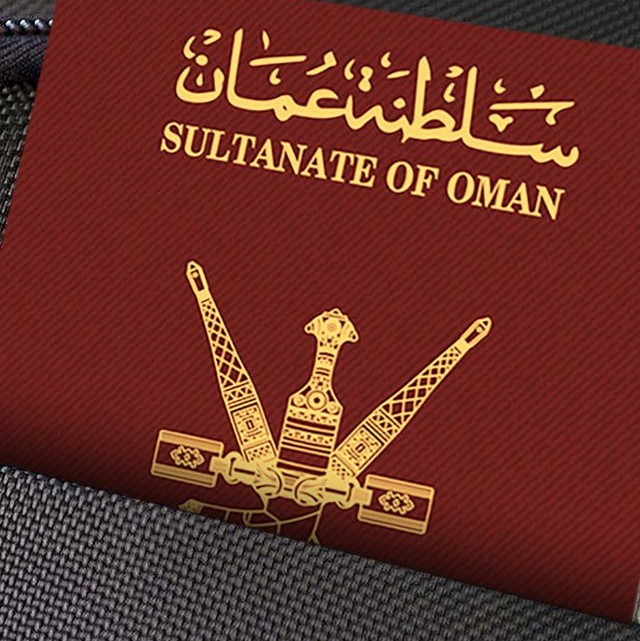
Oman Work Visa
Securing an employment visa in Oman involves employer sponsorship and a labor permit. The main visa categories for foreign workers are:
Resident Work Visa: A 2-year renewable visa sponsored by an Omani employer. This is the standard long-term visa for full-time employees.
Temporary Work Visa: Shorter-term visas (valid 4–9 months) for specific projects or assignments, also employer-sponsored.
Contracting/Freelance Visa: A special category for highly skilled freelancers or consultants, typically issued for 2-month periods (renewable). It does not require a traditional employer-employee relationship.
Requirements: To apply, one needs a valid passport (6+ months), a confirmed job offer and labor contract, and an approved labor permit from the Ministry of Manpower. Applicants must generally be at least 21 years old. The visa processing fee is around OMR 20 (about US$50). All visas must ultimately be stamped into the passport after arrival. Employers (or their local PROs) handle the paperwork and medical exams.
Investors or entrepreneurs seeking to work in their own business typically use other visa categories (e.g. investor visas), but those are beyond the scope of standard employment visas.
Job Search Resources for Oman
Job seekers (including expatriates) commonly use a mix of local and Gulf-wide platforms:
LinkedIn: Widely used in Oman, with job listings and networking opportunities.
Bayt.com: The Gulf’s popular recruitment site, often listing Oman jobs.
Indeed Oman / Monster Gulf: These Gulf-specific branches aggregate openings in Oman by industry.
GulfTalent and NaukriGulf: Recruiters often post managerial and professional positions here.
Local Consultancies and Boards: Oman has local agencies (e.g. Oxygen Oman) and niche job boards. Oman Investment Forum websites sometimes share opportunities, and the Oman Ministry of Manpower publishes visa & labor info for employers.
Networking: Personal contacts and referrals remain crucial in Oman’s job market. Many vacancies are filled via word-of-mouth or internal promotions.
For official visa and employment regulations, the Royal Oman Police (ROP) and Ministry of Manpower websites list visa types and legal requirements.
Sources: Official and market research reports on Oman’s labor market were used to compile this overview aljazeera.net-muscatdaily.com-terratern.com-paylab.com-paylab.com-paylab.com-jibble.io-zawya.com-fragomen.com-skuad.io-timesofoman.com. These include government data, regional news outlets, and industry surveys. While Oman-specific data are relatively scarce publicly, the cited figures reflect the most recent available insights into Omani salaries and employment conditions.