

Oman’s Free Zones and Special Economic Areas: Investment Opportunities
Oman has created a network of Free Zones and Special Economic Zones (SEZs) to diversify its economy and attract foreign capital. These zones are governed by the Public Authority for Special Economic Zones and Free Zones (OPAZ), established in 2020 by Royal Decree 105/2020. OPAZ provides a unified one-stop-shop system to facilitate all approvals, permits and licenses for businesses in Duqm, Salalah, Sohar, Al Mazunah and the emerging Khazaen Economic City. In April 2025, Oman further streamlined the framework by issuing a comprehensive SEZ & Free Zone law (Royal Decree 38/2025) that standardizes regulations across all zones.
These designated zones offer investors special legal and fiscal regimes. Companies operating in an Omani free zone or SEZ generally enjoy exemptions and privileges beyond those in the rest of Oman. Oman’s zones are strategically located to leverage global trade routes – for example, Duqm lies just outside the Strait of Hormuz on major shipping lanes, Salalah abuts the Arabian Sea and an international airport, and Sohar is linked by modern highways to regional markets. The zones often target sectors such as logistics, manufacturing, petrochemicals, and emerging industries (green energy, technology, etc.).
Together, these features make Oman’s free zones and SEZs a compelling gateway to regional and global markets, offering investors world-class infrastructure and a business-friendly environment.
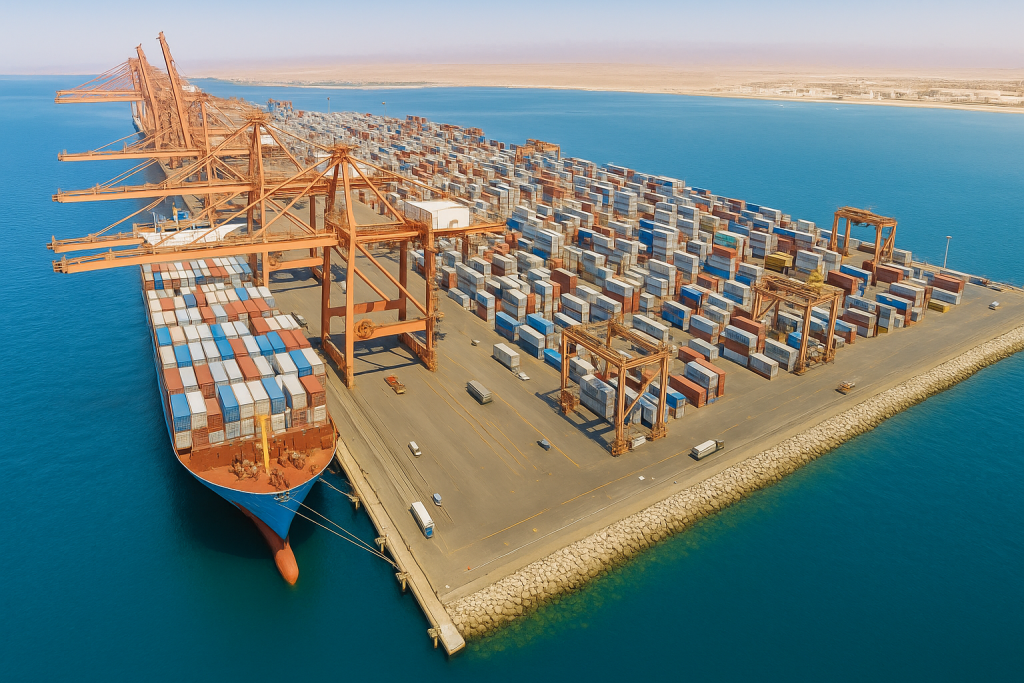
Benefits of Oman’s Free Zones for Investors
Investing in Oman’s free zones comes with a rich package of incentives and advantages, including:
100% Foreign Ownership: All free zones allow full foreign ownership of companies, with no requirement for an Omani partner.
Tax Exemptions: Qualified businesses enjoy long tax holidays (typically up to 30 years for income tax), and often no taxes on dividends or personal income. A new law guarantees a 10-year corporate tax exemption for zone projects, renewable under certain conditions.
Duty-Free Imports/Exports: Goods entering or leaving a free zone are exempt from customs dutiesopaz.gov.omtetraconsultants.com. Oman also has Free Trade Agreements (FTAs) with the US, Singapore and GCC partners, further reducing trade costs.
Full Repatriation: Investors may repatriate 100% of profits and capital without restriction.
No Currency or Capital Controls: Free zone companies face no currency exchange restrictions, and there is no minimum share capital requirement.
One-Stop-Shop Services: OPAZ and each zone authority provide streamlined “one-stop” procedures. A dedicated team guides investors through licensing, land allocation and immigration, often reducing setup time to days. For example, Sohar Free Zone processes applications in as little as one working day.
Modern Infrastructure: The zones feature world-class facilities – deepwater ports, international airports, industrial estates, roads and utilities. Oman has invested heavily (over US$26 billion) in transport and logistics networks to link these zones to global markets.
Business-Friendly Laws: Oman has a transparent legal framework with strong property rights and free-market principles. The new SEZ law further simplifies regulations and supports project development (including permitting real-estate “freehold” in zones).
Competitive Costs and Labor Flexibility: Operating costs (utilities, land leases) in Oman’s zones are competitive in the region. Omanisation requirements (local hiring quotas) are typically low (often 10–20%). Zones may allow foreign workforce percentages up to 65% (e.g. Khazaen) and even special arrangements (e.g. Yemeni workers in Al-Mazunah without work visas).
Together, these benefits give investors a distinct competitive edge: 100% ownership, long tax holidays, no customs barriers, and rapid company registration, all underpinned by strategic global access. The combination of incentives and infrastructure makes Oman’s zones a very attractive platform for export-oriented and value-added industries.
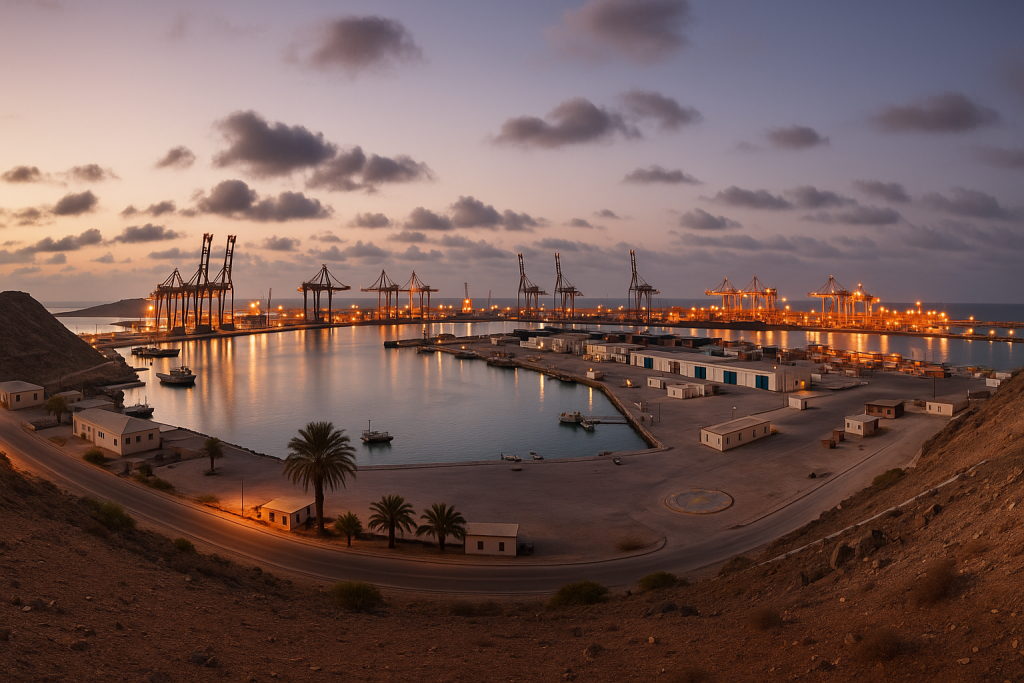
Required Documents for Registration and Setup
While each zone has its own application form, the typical documentation required to register a company or branch in an Omani free zone includes:
Application Form: Completed zone-specific application for company formation.
Passports of Shareholders/Directors: Certified copies of all owners’ passports (Sohar Free Zone explicitly requires passport copies of shareholders).
Company Documents: Memorandum & Articles of Association (for an LLC) or equivalent; proof of existing Commercial Registration (if establishing a branch or subsidiary).
Business Plan: Executive summary or feasibility study outlining the proposed activity and investment.
Proof of Funds: Bank reference or statements demonstrating available capital to establish the business.
Office/Factory Lease: A signed lease or title deed for land or premises in the free zone. A facility within the zone is generally required before license issuance.
Professional Qualifications: (If required) Certificates or CVs of managers/technical staff.
Additional Approvals: Depending on the activity, licenses or permits (e.g. from environmental or sectoral authorities) may be needed.
Investors submit these documents to the zone authority’s one-stop office (now largely electronic). The zone will review the application, check compliance (including Omanisation plans), and upon approval prepare a land use (usufruct) agreement and issue the business license. In many cases, the process is very fast: Sohar, for instance, notes that once documents are filed, registration can be completed in one working day
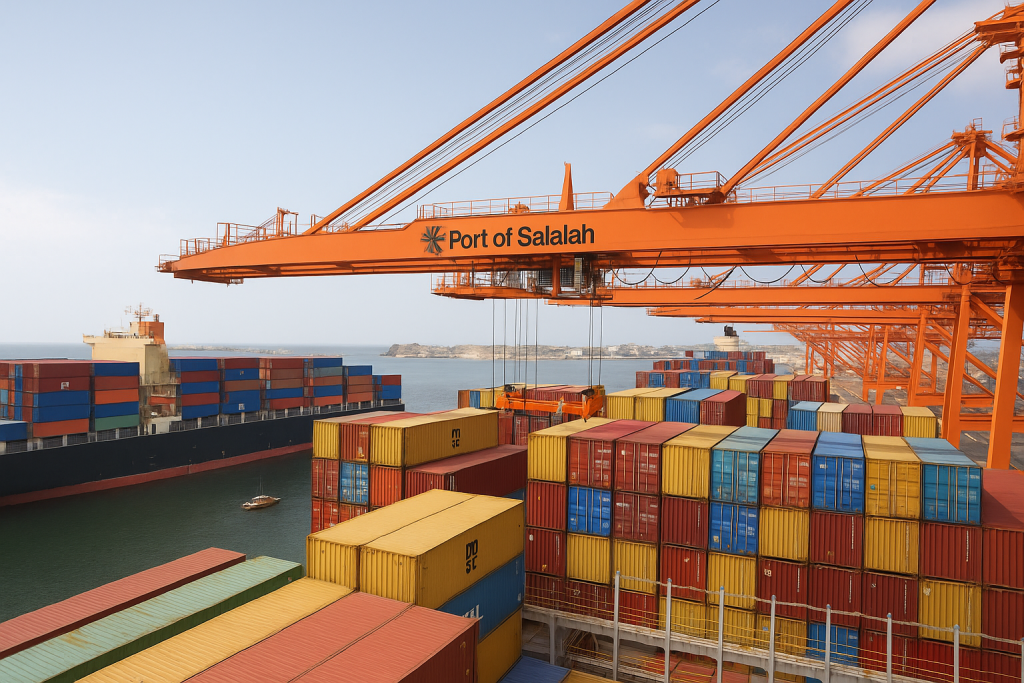
Conditions and Eligibility for Companies
Companies established in Oman’s free zones are generally 100% foreign-owned and must be registered with the zone authority. A single shareholder and director (of any nationality) is sufficient to form a free-zone company. There are no currency restrictions on capital or profit repatriation.
Eligibility and conditions typically include:
Zone-Based Operations: Free-zone businesses may operate within the zone boundaries. To serve the local Omani market, export to the mainland is often done through local distributors; a free-zone license does not automatically allow domestic sales.
Sector Alignment: Each zone targets certain industries (e.g. logistics and light manufacturing in Salalah and Sohar, heavy industries and port services in Duqm, cross-border trade in Al-Mazunah, and mixed industrial/commercial in Khazaen). Investors must choose a permitted activity listed by the zone.
Minimum Requirements: There is no minimum capital requirement and no mandatory paid-up capital for free-zone companies. Generally, only modest setup capital is needed to demonstrate viability.
Land or Facility: A company must lease or own a plot/building in the zone as per the lease term (often 25–50 years). The zone’s land office allocates space once the application is approved.
Omanisation: Omanisation quotas (percent of local workers) are relaxed in free zones – typically around 10–20%. For example, Salalah and Khazaen require roughly 10–20% local staff, while Al-Mazunah mandates 20% Omanisation. Multinational and expatriate staffing is broadly permitted (e.g. Khazaen allows up to 65% foreign workforce).
Length of Lease: Free-zone plots are offered on long-term usufruct (typically 25–50 years, renewable) under favorable lease terms.
In summary, any foreign or Omani investor can set up a free-zone entity to carry out approved activities, enjoying simplified rules and minimal local requirements. The focus is on ease of business: Oman does not mandate a local sponsor, high paid-up capital, or complicated ownership structures in these zones.
Major Free Zones & Special Economic Areas
Special Economic Zone at Duqm (SEZAD): Duqm, in Al Wusta governorate, is Oman’s largest SEZ (about 2,000 km²) and a multi-industry hub. It features a modern deepwater port (Port of Duqm), an airport, and planned rail connectivity. Key sectors include heavy industry, petrochemicals, refineries, logistics, fisheries and tourism. Duqm offers the full range of zone incentives: 100% foreign ownership, no minimum capital, and up to 30-year income tax exemption. Companies in Duqm also enjoy no import/export duties and 100% profit repatriation. The zone emphasizes “easy start” services: a one-stop-shop handles all approvals, and land leases (usufruct contracts) up to 50 years are available. Its strategic location outside the Strait of Hormuz and proximity to growing Middle East, South Asia and East African markets give investors unparalleled access.
Salalah Free Zone (SFZ): Located adjacent to Port of Salalah in Dhofar (south Oman), this 880-hectare zone is a major logistics and industrial hub. It leverages Salalah Port (one of the Middle East’s largest transshipment ports) and nearby airport. Industries here include manufacturing, petrochemicals, minerals, food processing and logistics. SFZ provides investors with long-term incentives: 100% foreign ownership, zero customs duties on imports/exports, no corporate or income taxes for 30 years, and no minimum capital requirement. It also has the lowest Omanisation rate (10%) to facilitate employment of multinational staff. The zone boasts world-class infrastructure and a single-window “Asyad Free Zone” service for all business needs. Its market reach includes 2+ billion people via the port’s connections and regional FTAs (US-Oman, GCC-Singapore).
Sohar Free Zone: Adjoining Sohar Port (60 km from Muscat) and opened in 2010, Sohar Free Zone covers about 45 km². It targets metal, logistics, petrochemical and general industrial activities. Sohar’s advantages include its close proximity to the commercial capital Muscat (connected by highway), the nearby Sohar and Muscat airports, and the free-trade Sohar Port on the Gulf of Oman. Incentives mirror the other zones: 100% foreign ownership, 0% import/export duties, 0% personal income tax, and a corporate tax holiday of up to 25 years. The setup process is fast – a one-stop center and a transparent application allow completion within days. Sohar also offers a relaxed Omanisation quota and no minimum capital requirement.
Al Mazunah Free Zone: Nestled on the Yemeni border in Dhofar, Al Mazunah (14.5 km²) is Oman’s pioneering free zone (established 1999). It primarily facilitates cross-border trade with Yemen and East Africa. Key benefits include a 30-year tax holiday, 100% foreign ownership, and exemption from corporate agency laws. Importantly, Al Mazunah grants special trade privileges: companies can import goods duty-free for re-export, and Yemeni nationals can work there without visas or Omani residency. There are no currency controls and no minimum investment requirement. The zone also issues origin certificates and integrates Omani-Yemeni customs data to ease transit. These features make Al Mazunah ideal for logistics, warehousing, light industry, and trading companies targeting the Yemeni and regional markets.
Khazaen Economic City: Khazaen is a new multi-sector development in Barka (Al Batinah region), just outside Greater Muscat. It combines a free zone, dry port, industrial, logistics, commercial and residential zones. Khazaen offers world-class infrastructure (roads, utilities, a dry port, labor villages) and a transparent, investor-friendly framework. Its incentives include 100% foreign ownership, flexible long-term land leases (up to 45 years), and an initial 5-year tax exemption for industrial projects (renewable extensions possible). A unique feature is the ability to sell or sub-lease the built facilities. Khazaen attracts sectors such as logistics, manufacturing, food, and data centers, leveraging Muscat’s growth corridor. By end-2023 it had attracted over US$1 billion in investment. Its award-winning status (Dossier Awards 2024) reflects the market’s recognition of Khazaen’s competitive land rates, one-stop investor service and strategic connectivity.

How to Benefit from Oman’s Free Zones
To capitalize on these advantages, investors should follow the zone-specific setup process:
Select the Appropriate Zone: Identify the zone that best fits your industry and target markets (e.g. Duqm for heavy industry, Salalah/Sohar for logistics and manufacturing, Al Mazunah for cross-border trade, Khazaen for Muscat-area logistics and industry).
Prepare Application: Work with local advisors or directly with the zone authority. Submit an online application or visit the one-stop-shop with required documents (see above). The zone’s “business support team” will guide you through paperwork and requirements.
Land Allocation: Once pre-approval is granted, the zone allocates a land parcel or facility. You will enter into a long-term usufruct lease (typically 25–50 years) and pay the related fees.
Obtain Licenses: Sign the lease and finalize your company license. The authority will issue commercial registration and necessary permits. This step is streamlined – for example, Sohar’s process is explicitly described as three steps (application → plot allocation → signing the usufruct agreement), often completed in days.
Leverage Incentives: As soon as operations begin, your company enjoys the zone’s incentives. Tax holidays, duty exemptions, and other benefits take effect from the commencement of activities. Oman’s open banking (no foreign exchange restrictions) and 24/7 business policies make cross-border transactions and round-the-clock operations smooth.
One-Stop Support: Throughout, Oman’s unified regulatory framework ensures investor support. OPAZ and zone offices coordinate with other ministries so you deal with a single authority. The new 2025 SEZ law and digital services further expedite approvals and licensing.
By following this process, investors benefit from Oman’s easy-entry and easy-exit regime: low setup costs, quick turnaround, and legal protections. Key advantages to exploit include the one-stop shop (reducing bureaucratic delays), the tax & duty holidays, and Oman’s network of FTAs. Omani law guarantees full repatriation of profits and property rights for leases, ensuring investors can operate with confidence.
Frequently Asked Questions

Q: Can I own 100% of my company in an Omani free zone?
A: Yes. All free zones permit full foreign ownership, and even the US–Oman FTA grants U.S. investors 100% ownership. No local partner is needed.Q: What tax incentives are available?
A: Typically, companies enjoy income-tax holidays of 10–30 years. Oman’s zones grant long exemptions: e.g. Salalah and Al Mazunah offer 30-year holidays. Under the new law, qualifying projects get 10 years tax-free, renewable under certain conditions. In addition, there are zero taxes on imports/exports and often no customs duties.Q: Are there currency or minimum capital restrictions?
A: No. Free-zone entities face no currency controls and often no minimum share capital requirement. You may choose any currency for capital and repatriate profits freely.Q: How quickly can I start my business?
A: Very quickly – in many cases within days. For instance, Sohar Free Zone completes registration in about one working day once documents are submitted. The one-stop-shop model and online applications greatly speed up approvals.Q: What documents do I need to apply?
A: Generally: the filled application form, copies of owners’ passports, the company’s Memorandum (or branch documents), a business plan, and proof of funds. A signed lease for land/premises is also required. Sohar explicitly requires passport copies of shareholders at submission. Zones will provide checklists upon inquiry.Q: What are Omanisation requirements?
A: They are relatively low. Free zones apply relaxed Omanisation (often 10–20%). Salalah and Khazaen require about 10–15% local staff, while Al Mazunah and others mandate around 20%. In return, you can employ a majority expatriate workforce to staff the project.Q: Can I sell my products outside the zone?
A: A free-zone license covers operations within the zone. To sell in Oman’s domestic market, companies typically appoint a local distributor or set up an onshore branch. (Products can freely flow to other countries from the zone.) The exception is Muscat’s Khazaen which includes some domestic components and allows local sales under its mixed-use model.Q: Is Oman politically stable and investor-friendly?
A: Yes. Oman has a very stable political climate and a transparent legal system. The government’s recent reforms and the new zones law underscore Oman’s commitment to attracting investmen. Standard treaty protections (Bilateral Investment Treaties, WTO membership) and low sovereign risk make Oman a safe base for business.
Conclusion & Next Steps

Oman’s Free Zones and Special Economic Zones offer outstanding opportunities for foreign investors. With 100% ownership, generous tax and duty exemptions, and world-class infrastructure, setting up in these zones is both easy and lucrative. Zones like Duqm, Salalah, Sohar, Al Mazunah, and Khazaen each have unique strengths – whether it’s ports, airports, or logistics networks – but all share the goal of boosting your business. The government’s unified zone authority (OPAZ) and new legislation are designed to make investments smoother than ever.
Next Steps: Interested investors should contact the Oman Investment Authority or the respective zone authorities to discuss their project. Visit official portals (for example, the OPAZ website or individual zone sites like duqm.gov.om) for detailed guides and application forms. Consider reaching out to local legal or consultancy experts to navigate the process efficiently. With its strategic location and pro-investment policies, Oman’s free zones are ready to support your growth – seize the opportunity now.
Sources: Official zone authorities and government publications, legal analyses, and investment guides were used to compile these insights
duqm.gov.om – opaz.gov.om – opaz.gov.om – opaz.gov.om – khazaen.om – opaz.gov.om – vatupdate.com – tetraconsultants.com – chambers.com.
These resources reflect the latest legal frameworks and incentives as of 2025.